Concrete might look tough, but it’s not immune to problems. Shifting soil, moisture intrusion, and age impact your slab’s performance. Property owners often overlook early signs until the damage has spread. Spotting issues early keeps repair costs manageable and protects your home’s long-term value. What starts as a slight dip or crack can quickly affect safety, drainage, and even structural integrity.
What is Concrete Leveling?
Concrete leveling is a repair technique that fixes uneven or sunken concrete without requiring the replacement of the entire slab. It involves lifting the existing surface by injecting polyurethane foam or cement slurry. The method fills voids in the soil and restores the slab to its original level. It’s faster, cleaner, and more cost-effective than full replacement. It’s ideal for driveways, sidewalks, patios, and other concrete surfaces around the property.
Signs It’s Time for Concrete Leveling Experts
Concrete doesn’t always show obvious signs when problems begin. Small changes in your surfaces may seem harmless at first. But these subtle shifts often hint at deeper structural issues. Recognizing them early allows you to prevent more extensive and costly damage.
Uneven Concrete Surfaces
Uneven slabs typically indicate that the ground beneath has shifted or settled. This soil movement causes your concrete to sink, rise, or tilt in different areas. While the surface may feel solid, elevation changes create hazards and accelerate damage. Professional concrete leveling restores balance and stability quickly and efficiently.
Slanted Driveways
A sloped driveway not only looks bad, but it also affects how water drains. Rain will flow toward your house instead of away from it. That water slowly saturates the soil along the foundation. Over time, your base weakens and cracks can form. Leveling your driveway redirects drainage and relieves foundation stress. It improves both performance and property value.
Walkways Become Trip Hazards
Your front walk should welcome people safely. But when one section of the sidewalk drops or lifts, it becomes a liability. Uneven paths increase the risk of injuries for kids, guests, or anyone with mobility issues. These shifts usually stem from soil erosion or moisture loss beneath the slab. Concrete leveling evens the surface and removes the danger. It’s a fast way to improve safety and curb appeal.
Sunken Patios, Pool Water, and Mold
When patios dip in one direction, water gathers and sits. That pooling causes discoloration, algae growth, and erosion underneath. Moisture trapped beneath your slab can also freeze, thaw, and expand, worsening cracks. These issues often start small but quickly spread if ignored. Concrete leveling corrects the slope and helps prevent water retention. It keeps your outdoor space cleaner and more durable.
Cracks Reveal Hidden Concrete Shifting
Cracking is the most visible and alarming sign of slab movement. These breaks often occur near stress points, such as corners or joints. While some surface cracking is normal, wide, uneven gaps indicate structural issues. Addressing the underlying movement with concrete leveling is critical before the slab fails.
Spreading Cracks in High-Traffic Areas
Cracks along driveways, garage floors, or steps often get worse quickly. These zones carry heavy loads, which speed up wear and tear. Leveling is usually the solution if you see a crack growing broader or deeper. Filling cracks without addressing the slab below won’t last. Leveling lifts the slab evenly to relieve stress on the surface. It stops the crack from growing and prevents new ones from forming.
Edge and Corner Cracks Are a Red Flag
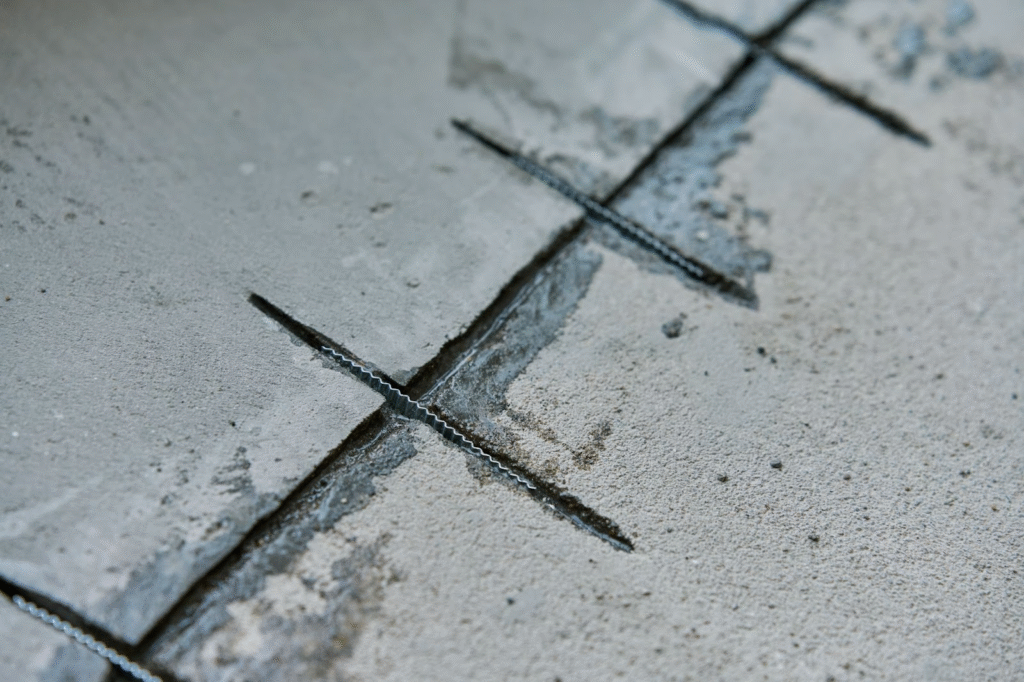
Corners are weak points where pressure builds during soil movement. As the slab shifts or sinks, stress radiates and splits the concrete from the edge. Jagged corner cracks may also indicate poor compaction during the pouring of the slab. Once moisture finds a way in, the damage compounds. Concrete leveling fills voids and reestablishes support underneath. It locks the slab back into position, preventing further separation.
Interior Signs Pointing to Slab Settlement
When a slab moves, your home reacts. Floors tilt, doors stick, and walls begin to crack. These changes often become visible before exterior problems appear. If you notice several interior shifts, your concrete base may need immediate leveling.
Sloping Floors
If furniture leans or floorboards shift, it’s not just a result of poor construction. The slab beneath is likely sinking in some areas. That loss of support warps flooring and creates uneven pressure. Over time, this leads to loose tiles, open seams, and noisy boards. Concrete leveling restores the slab’s flat surface and maintains the integrity of the flooring. It’s also more cost-effective than replacing your interior finishes later.
Doors and Windows Start to Misalign
When your slab shifts, it twists door and window frames out of square. Doors may jam or drift open, and windows may crack, stick, or fail to latch properly. These are clear signs that the home’s base is no longer level. Professional concrete leveling restores balance and relieves pressure on frames, fixing the alignment and protecting your doors from long-term warping.
Cracked Drywall
Hairline cracks along ceilings or walls often start near windows and corners. These form when the structure above tries to compensate for changes below. If the slab is uneven, the framing above it twists and pulls. Drywall can’t flex much, so it tends to break instead. Concrete leveling realigns the base and eases stress on the walls. It’s a long-term solution that protects both the interior and foundation.
Poor Drainage Follows Unlevel Slabs
Slab shifts affect appearance and change how water flows around your property. The structure suffers long-term damage when water collects near foundations, basements, or crawl spaces. Fixing the slope and grading with professional leveling helps keep water where it belongs.
Pooling Water Near the House
If your concrete steers water toward your home instead of away from it, the ground beneath softens. This initiates a cycle where the wet soil compresses, causing the slab to sink further. Left unchecked, erosion will hollow out voids under the slab. That’s when large cracks and structural drops begin. Leveling prevents runoff from reaching the foundation and compacts the soil. It’s a simple fix that prevents long-term flooding.
Downspout Drainage Gets Blocked or Redirected
Downspouts should send water away fast. But water flows back toward your home if the concrete below slopes incorrectly. That adds pressure to the slab and increases soil moisture below. Eventually, it causes cracking, pooling, and slab sinking. Leveling reestablishes proper flow away from the home. That’s key to maintaining dry basements and crawl spaces.
Foundation Gaps and Exposure
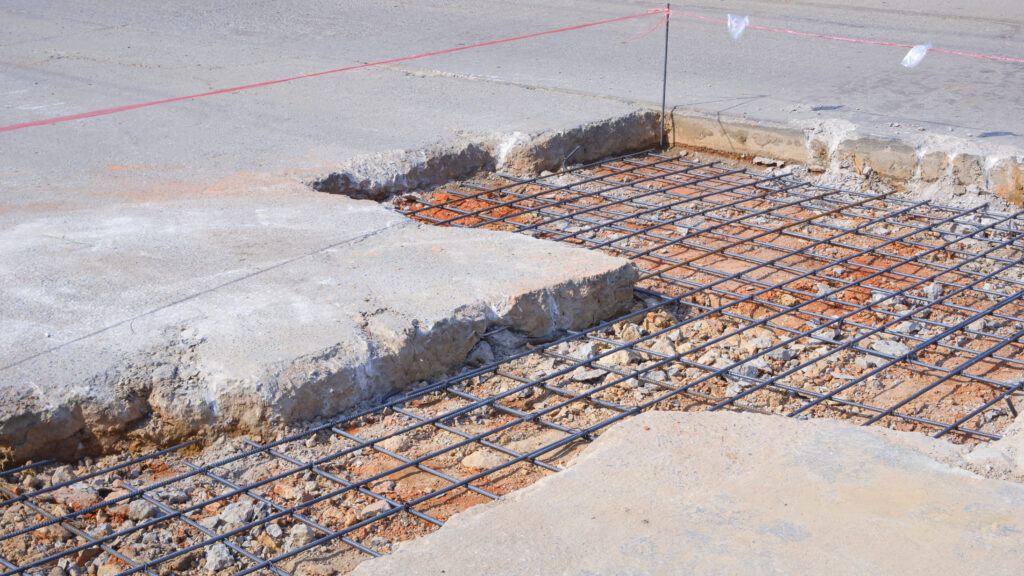
When concrete separates from the soil, it creates a gap between them. This gap exposes the slab to the elements, leaving your foundation vulnerable. These voids also become access points for pests, rodents, and standing water, and problems escalate quickly once that happens.
Gaps Form Between Steps and Soil
A visible space beneath your steps, slab edges, or porch may seem harmless. But that gap means the soil has receded and no longer supports the structure. The slab continues to drop and crack without support, posing a danger if left unattended. Concrete leveling fills the voids and reconnects the structure with firm soil, keeping the slab stable and protected from erosion.
Rodents and Insects Nest Under Voids
Critters love dry, hidden spots, and an exposed slab offers both. Your slab may be compromised if you hear scratching beneath your porch or see ants near the garage. Once pests get in, they dig deeper and cause more shifting. Their burrowing removes additional soil, speeding up concrete collapse. Leveling fills the voids and removes access points, keeping your slab secure and pests out.
How Concrete Leveling Helps You Avoid High Costs
Leveling services are an investment in your home’s future. Replacing concrete is costly, disruptive, and often unnecessary. Restoring your existing slab through leveling is faster and much more affordable.
Repairs Done Now Reduce Damage Later
You’ll face replacement costs and significant disruption if you wait until the concrete collapses. Concrete leveling corrects minor problems before they worsen. The process is quicker, less invasive, and longer lasting than patches or DIY fixes. Once leveled, your slab will resist future damage and shifting. That means fewer future repairs and a longer lifespan for your surfaces. It also maintains your home’s resale value.
Leveling Supports Everything Built Above the Slab
Every structure relies on a solid base. If your slab shifts, anything built on top, such as walls, beams, or floors, is affected. Concrete leveling corrects these problems from the ground up. That means less cracking, sagging, or shifting inside your home. You won’t need to constantly adjust doors, replace flooring, or reinforce frames. One fix restores balance across the board.
Restore Stability With Expert Concrete Leveling
Waiting on uneven concrete gives problems time to grow and spread. Each crack, dip, or shift pulls at your home’s foundation, floors, and framework. Concrete leveling solves the root issue quickly without requiring a full replacement. It’s a smart, lasting fix that keeps your property safe, solid, and standing firm. If your surfaces feel off, now’s the time to bring them back in line. A level slab is more than flat; it’s foundational.
Curious about what’s shifting under your concrete? Visit the Metric Paving & Masonry blog for expert insights grounded in real solutions.