When most homeowners think about energy efficiency, they picture attic insulation, new windows, or a high-performance HVAC system. But siding plays a surprisingly important role in how comfortable your home feels and how complex your heating and cooling equipment has to work. Your exterior is the first barrier between indoor living space and the weather outside, and the right siding system can help reduce unwanted heat gain in summer, limit heat loss in winter, and protect the building envelope from moisture and drafts that make rooms feel inconsistent. Even if your thermostat is set perfectly, a home with weak exterior protection can still feel too hot, too cold, or oddly “drafty,” especially near exterior walls.
Why Siding Is More Than a Cosmetic Upgrade
Siding isn’t just about curb appeal—it’s part of your home’s building envelope, which is the system that separates conditioned indoor air from outdoor conditions like heat, cold, wind, and moisture. When the envelope is strong, indoor temperatures stay more stable, and your HVAC system doesn’t have to fight constant heat gain or heat loss through exterior walls. Siding works with house wrap, flashing, trim, and sealants to protect the structure and manage moisture, which matters because damp materials and air leaks can drive up energy use and make rooms feel uncomfortable. When you choose siding with performance in mind, you’re investing in a layer of protection that supports both comfort and efficiency year-round.
A Strong Envelope Reduces Drafts
When exterior layers are tight and well-sealed, fewer air leaks reach interior living spaces.
Moisture Control Supports Efficiency
Keeping wall cavities dry helps insulation perform properly and protects long-term structural integrity.
How Siding Impacts Energy Loss
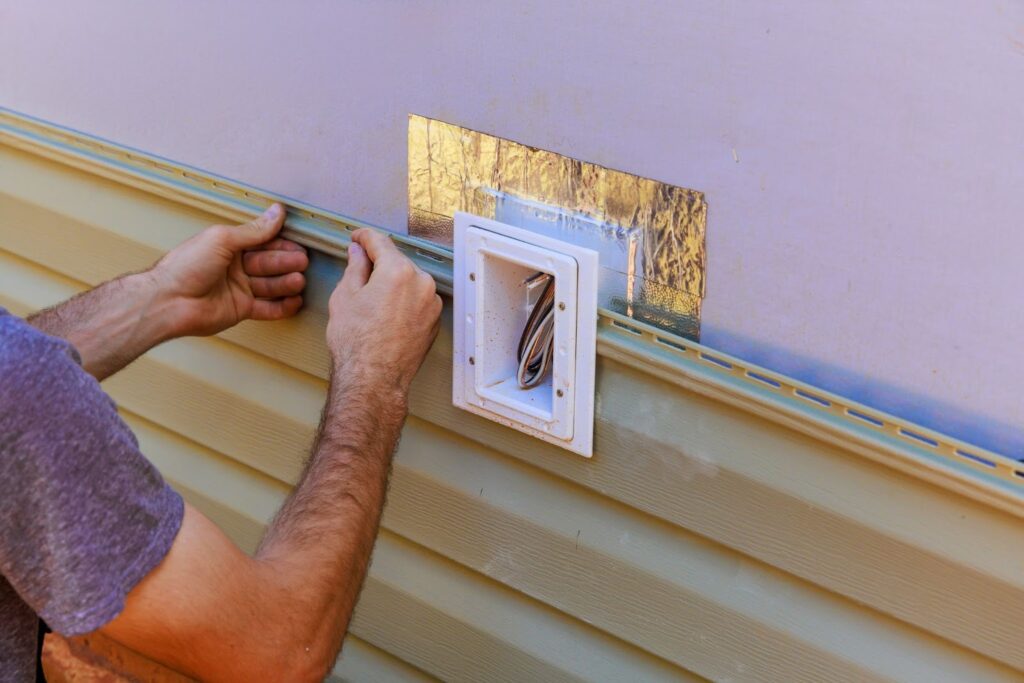
Air leakage is one of the biggest hidden causes of high energy bills, and siding can either help reduce it or make it worse, depending on how the system is detailed. Even small gaps around corners, utility penetrations, windows, and doors can allow outside air to enter wall cavities, reducing indoor comfort, especially on windy days. While insulation slows heat transfer, air leaks around it bypass the insulation and let conditioned air escape, forcing heating and cooling equipment to run longer. Choosing siding is important, but choosing professional installation that integrates sealing and weather barriers correctly is often the difference between “looks good” and “performs well.”
Seal Points Matter Most
Edges, joints, and penetrations are where air leakage typically starts when details are overlooked.
Comfort Issues Often Show Up Near Exterior Walls
If rooms feel colder near walls or outlets, air leakage through the exterior system may be a cause.
Siding Choices That Affect Heat Gain
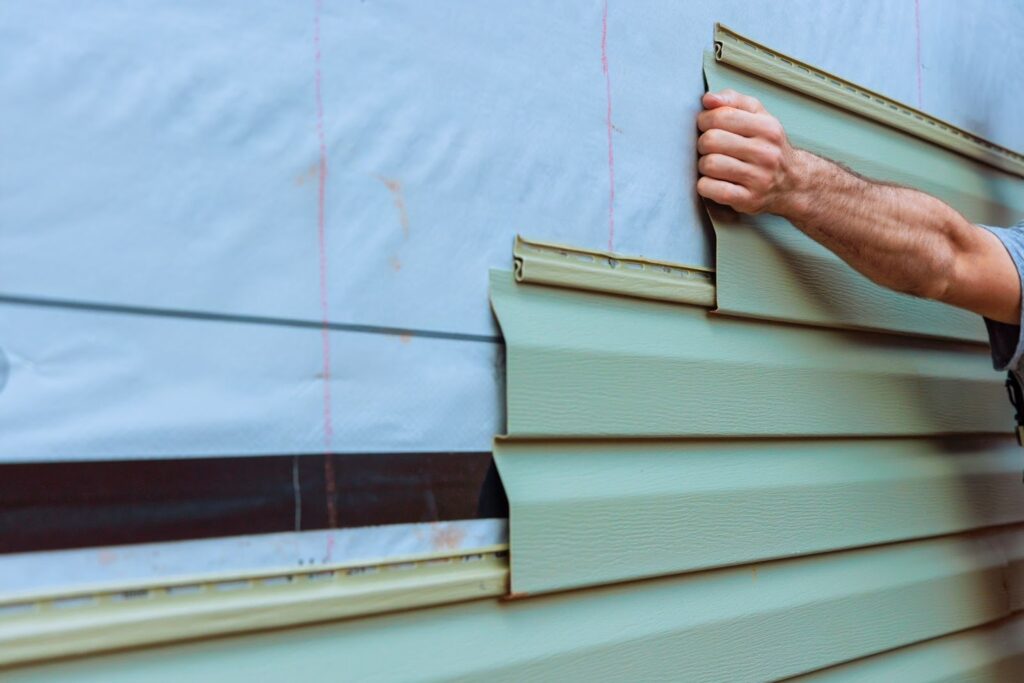
Siding influences how much heat your home absorbs, especially on sun-facing walls, and your color and finish choices can change comfort in noticeable ways. Darker colors tend to absorb more solar heat, which can make certain rooms warmer in peak summer conditions, while lighter colors reflect more sunlight and can help reduce heat gain. Material also matters because different siding types respond differently to temperature swings, and some finishes are designed to improve reflectivity and reduce surface heat. If your home has large, sunny exposures, selecting siding colors and finishes strategically can help keep indoor temperatures steadier and reduce the burden on your air conditioner.
Color Can Influence Summer Comfort
Sun-facing walls with darker siding can warm more quickly, potentially increasing interior heat gain.
Reflective Finishes Can Help
Some modern finishes are designed to resist fading and manage solar impact more effectively.
Different Siding Materials and Energy Efficiency
Different siding materials offer varying strengths, and energy efficiency goes beyond the label—it’s about how the material works within the whole exterior system. Vinyl siding is popular for its affordability and low maintenance, and when paired with proper house wrap and sealing, it can perform well in many climates. Fiber cement is durable and stable, offering excellent resistance to weather and pests, and it can support long-term comfort when installed with correct moisture management details. Wood and engineered wood options can provide strong aesthetics and decent performance, but they require proper sealing and maintenance to avoid moisture issues that can undermine comfort over time. The “best” siding for efficiency is often the one that fits your climate, is installed correctly, and supports a tight, well-managed envelope.
Performance Depends on the Whole System
Siding works best when matched with quality weather barriers and precise installation details.
Durability Protects Efficiency Long-Term
Materials that resist warping and moisture help keep seams tight and performance consistent over time.
How Siding Installation Quality Impacts Comfort
Even the highest-quality siding can’t compensate for poor installation, because small mistakes create pathways for air, moisture, and temperature swings that reduce comfort. Improper flashing around windows and doors can lead to moisture intrusion, affecting insulation performance and creating cold, damp rooms. Misaligned panels, loose fasteners, and unsealed penetrations can contribute to drafts and rattling sounds in wind, making the home feel less solid and more exposed. When siding is installed with professional attention—clean cuts, correct spacing, properly integrated moisture barriers—the home often feels quieter, less drafty, and easier to keep comfortable.
Flashing Details Prevent Hidden Problems
Correct flashing directs water away from wall cavities, where it can reduce insulation effectiveness.
Tight Installation Reduces Wind Noise
A secure siding system can minimize rattling and help the home feel more sealed and stable.
How Siding Choices Affect Indoor Temperature Consistency
If you’ve ever noticed one room runs hotter in summer or colder in winter, your siding system may be part of the story, especially if that room has more exterior wall exposure. Siding that’s well-sealed, properly integrated with weather barriers, and paired with effective insulation helps reduce temperature swings that create hot spots and cold spots. On the other hand, older siding with gaps, warping, or poor moisture management can make certain rooms feel “hard to regulate,” no matter how strong your HVAC system is. Choosing the right siding and ensuring correct installation can help create a more even indoor feel from one end of the home to the other.
Exterior Exposure Changes the Equation
Rooms with more exterior wall area are more affected by heat gain and heat loss.
Small Leaks Add Up to Big Discomfort
Minor air gaps can make a room feel noticeably different, especially during weather extremes.
How Siding Can Make a Home Feel Quieter and Cozier
While siding is primarily about weather protection, it can also affect how much outside noise enters your home, which can enhance comfort in a meaningful way. A tighter, better-sealed exterior reduces small gaps where sound can travel, and some siding systems paired with insulation backing can add a subtle buffer that softens outdoor noise. If you live near traffic, schools, or busy neighborhoods, the “quiet factor” often becomes part of the comfort payoff when exterior upgrades are done correctly. A home that feels sealed and quiet tends to feel more restful, and siding is one layer that contributes to that overall experience.
Sealing Helps With Noise
Reducing air gaps can also reduce sound pathways, making interiors feel calmer.
Insulated Systems Can Add Softening
Additional backing layers may help dampen sound and improve the indoor “cozy” feel.
Siding in Different Climates: What to Consider
The best siding choices depend heavily on local conditions, because what performs well in a dry, mild climate may need different detailing in a humid or freeze-thaw region. In hot climates, solar exposure and color choices matter more for comfort, while in cold climates, sealing, moisture management, and thermal performance take priority. Wind-driven rain requires excellent flashing and drainage practices, and coastal air may demand materials and fasteners that resist corrosion. When you match siding to your climate and installation best practices, you’re more likely to get steady comfort and fewer maintenance surprises over time.
Climate Shapes Performance Priorities
Heat, cold, moisture, and wind affect which features matter most in a siding system.
Installation Practices Should Match Conditions
Details like flashing, drainage, and sealing need to be chosen based on your region’s weather patterns.
The Best Siding Decision Combines Material Choice With Installation
If energy efficiency and comfort are your goals, the best siding decision is rarely about choosing one “best” product—it’s about choosing a siding system that fits your home, your climate, and your priorities, then installing it with precision. The right material can improve durability and reduce maintenance, while proper sealing, weather barrier integration, and careful flashing protect insulation and keep indoor temperatures stable. When siding is treated as part of the building envelope rather than a cosmetic layer, the payoff is more noticeable comfort, fewer drafts, reduced moisture concerns, and a home that feels easier to heat and cool year-round. A well-chosen siding upgrade isn’t just a visual improvement—it’s an everyday livability upgrade you feel in every season.
Check out the Metric Paving and Masonry blog for more homeowner tips on upgrades that improve comfort, efficiency, and long-term exterior performance.