Homeowners often start retaining wall projects with excitement, only to face stress when structural issues arise later. The pressure builds when repairs grow faster than expected, and the land starts to shift around the wall. Many property owners want a sturdy design, but rushed planning often leads to weakened foundations. Costs rise when mistakes spread across the yard and threaten nearby structures. That frustration pushes people to look for better guidance before construction begins.
Why Careful Planning Matters for Retaining Walls
A solid retaining wall starts with careful planning that aligns the design with the landscape. Proper evaluation helps identify soil density, slope movement, and drainage patterns that influence long-term stability. Many failures begin when homeowners rush into construction without studying how the ground behaves during heavy storms. A thoughtful plan outlines load requirements, structural support, and water control so the wall can handle pressure through every season. Planning also helps prevent unseen issues such as underground utilities or soil pockets that shift under weight. These insights shape safer decisions and reduce costly revisions.
Top Retaining Wall Design Errors to Avoid
Homeowners often run into preventable issues when planning retaining walls, and those mistakes usually start long before the first block goes in. Minor missteps can grow into costly problems that affect the entire landscape. Many of these errors follow predictable patterns tied to planning, materials, structure, and drainage. Understanding these trouble points helps property owners make stronger decisions from the start.
Planning Mistakes Before Construction
Proper planning prevents problems before they start, and retaining walls require careful evaluation. Many homeowners skip soil checks, slope reviews, and load assessments, which increases their risk. A wall must match the ground conditions around it to stay stable. These early details guide every other design choice.
Lack of Proper Site Evaluation
A retaining wall fails quickly when homeowners skip a site evaluation that measures soil type, slope angle, and water movement. A proper assessment reveals weak points in the soil that shift under pressure during heavy rain. A land review also identifies areas where erosion may speed up after construction. The builder studies slope lines to understand how water flows during storms. The inspection also exposes underground utilities that can complicate digging. These insights protect the design from future surprises and guide a safer layout. A strong evaluation sets the foundation for every design decision that follows.
Misjudging Height and Load Requirements
A retaining wall needs the right height and load rating to resist soil pressure, yet many homeowners underestimate the weight pushing against the structure. Added pressure comes from slopes, patios, parking pads, and nearby walkways. The wall must carry that combined load to stay steady through storms. A proper load review calculates soil density and moisture levels to predict real-world pressure. Builders also study the grade to see how steep angles increase force. That information prevents leaning, cracking, or shifting. Careful load planning creates structural strength that lasts.
Overlooking Key Drainage Functions
A retaining wall cannot hold back saturated soil without a drainage system that sends water away from the structure. Water exerts a strong lateral force when it collects behind the wall. Saturated soil weighs far more than dry soil, which strains the wall through every season. A proper drainage design uses pipes, gravel, and fabric barriers that guide water out of the soil. Builders place the system behind the wall to keep moisture moving. This system reduces long-term pressure and prevents structural damage. Proper drainage protects the entire investment.
Choosing the Wrong Materials
Material choices shape durability, appearance, and long-term strength, and homeowners often choose based on price or aesthetics rather than performance. A good material must match the soil conditions and local climate. Walls built with low-grade supplies break down faster and shift under seasonal pressure. That problem leads to recurring repairs and reduced property value.
Using Weak or Mismatched Materials
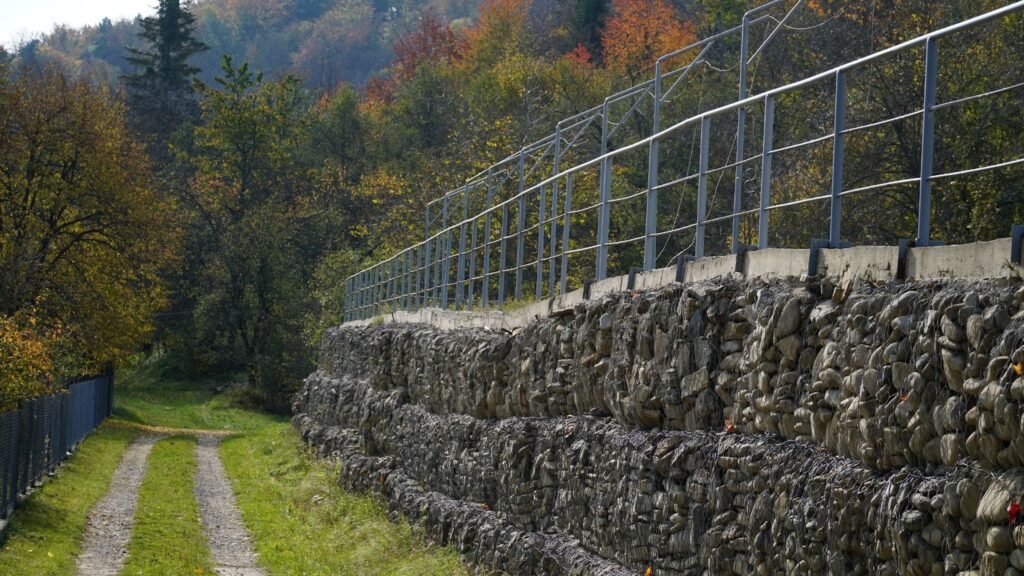
Many homeowners select low-cost timber or thin concrete blocks that cannot support shifting soil. Weak materials crack during temperature changes or heavy rainfall. Low-grade wood absorbs moisture and starts to rot near the ground. Blocks of varying sizes weaken the structure’s alignment. These inconsistencies create gaps where soil settles, leading to uneven force distribution. A wall built with mismatched materials ages faster and becomes unsafe. Strong, uniform materials deliver a steady, long-lasting structure.
Ignoring Climate and Soil Demands
Climate affects how materials expand, contract, and absorb moisture, and some homeowners overlook these conditions. Freeze cycles cause porous blocks to crack and separate. Wet soils push against softer materials and break the surface of the wall. Dry soil shifts around wood, creating open pockets that reduce stability. Builders choose materials that respond well to the climate and soil density. A smart match between the two creates reliable performance. This alignment protects the wall from seasonal damage.
Cutting Costs on Critical Structural Parts
Some homeowners reduce expenses by choosing cheaper base layers, weaker geogrid, or low-quality backfill. These cost cuts weaken the wall where strength matters most. A thin base layer shifts when moisture enters the soil. Cheap backfill traps water and increases pressure against the wall. Weak reinforcement allows taller walls to lean over time. Choosing strong structural components supports long-term reliability. A well-built base reduces future repair work.
Drainage Errors Behind the Structure
Drainage mistakes often appear in failed walls because homeowners misjudge how water moves through soil. Water pressure builds rapidly behind a structure that lacks an exit path. Retaining walls must allow moisture to escape to keep the soil stable. A proper drainage design protects the wall from cracks and shifting.
Missing Drainage Pipe Installations
A retaining wall needs drainage pipes to drain water that collects behind the soil. Without pipes, the water pushes directly against the structure, increasing pressure after storms. Saturated soil becomes dense and heavy, increasing the force on the wall. Builders install perforated pipes along the base to allow water to flow outward. The pipes work with gravel to create a complete drainage channel. This combined system lowers pressure and preserves the wall’s shape. A well-planned pipe system supports the wall’s lifespan.
Choosing Wrong Backfill Material
Backfill must drain water quickly, yet many homeowners use compacted soil that traps moisture. Soil absorbs water and expands, which presses against the wall. Gravel and crushed stone move water more efficiently and reduce pressure. Builders add fabric barriers to keep fine particles out of the drainage layer. This setup keeps water moving during storms. When the wrong backfill traps moisture, the wall strains under weight. Proper backfill selection strengthens drainage and prevents damage.
Poor Management of Surface Runoff
Surface water often flows toward retaining walls when grade lines steer it in that direction. Roof runoff, driveway flow, and sloped yards increase moisture behind the wall. Builders study these patterns to redirect water away from the structure. Channels, catch basins, or minor grading changes adjust flow patterns. These adjustments reduce the amount of water entering the backfill. Without surface control, the wall takes on unnecessary weight. Good runoff design reduces pressure and avoids shifting.
Structural Design Oversights
Structural mistakes weaken the entire project and cause cracks or leaning that become expensive to fix. A stable wall needs a firm footing, accurate reinforcement, and compliance with local codes. Builders design the wall to support the expected soil load. These details guide safety and long-term performance.
Weak or Shallow Footing
A retaining wall fails when its footing sits too shallow or lacks proper support. The footing carries the entire structure’s weight and must rest on stable soil. Shallow bases move during frost cycles or heavy rain. A deep base stays steady when the ground shifts. Builders shape the footing to match the wall’s height and load. A firm footing protects the layout and alignment. This foundation stabilizes the wall through seasonal changes.
Skipping Required Reinforcement
Reinforcement holds the soil and wall together, especially for taller designs. Many homeowners skip geogrid or tie-backs because the components stay hidden. Without reinforcement, the wall bends under heavy pressure. Geogrid secures the soil layers and spreads the weight evenly. Tie-backs anchor the structure deeper into the earth. These reinforcements keep the wall upright. Proper reinforcement delivers long-term safety.
Ignoring Codes and Engineering Input
Local building codes outline standards that protect homeowners from unsafe construction. Homeowners who skip permits or engineering guidance risk poor structural planning. Engineers understand soil density, slope stability, and load requirements. They design walls that match the terrain and expected pressure. Without expert input, key areas may remain unsupported. Missing these details increases long-term risks. Following the codes and engineering advice delivers a safer project.
Aesthetic and Functional Layout Issues
A retaining wall should support the yard while improving its appearance. Poor placement or design reduces usable space and harms visual flow. A wall must match the landscape to feel natural. These decisions support property value and plans.
Poor Wall Alignment With Landscape Flow
A wall that cuts across natural flow disrupts movement, sightlines, and yard design. Misalignment can block pathways and restrict usable areas. Builders study the grade and layout to fit the wall into the landscape. Good alignment opens space for planting or outdoor living. A well-placed wall looks integrated with the surroundings. This thoughtful placement avoids awkward yard sections. Natural alignment enhances overall property balance.
Misjudging Color and Texture Choices
Color choices can blend or clash with the property, and many homeowners choose without considering the larger visual impact. Harsh color contrast unpleasantly draws attention. Texture mismatches disrupt the yard’s natural style. Builders recommend materials that support the home’s exterior and landscaping. A unified appearance strengthens curb appeal. The right materials help the wall blend smoothly. These visual choices create a cohesive design.
Forgetting Future Use and Yard Growth
Yard layouts change over time as homeowners add gardens, patios, or new zones. A wall must leave room for future updates. Limited access points constrain growth and reduce design flexibility. Builders plan for walkways, lighting, and planting space. A future-focused approach protects the homeowner from costly changes. This type of planning reduces long-term stress. Flexible designs support evolving property needs.
Hiring Inexperienced Builders
Builder selection shapes the outcome of the entire project. Inexperienced contractors miss key steps in structural design and drainage. Poor craftsmanship shortens the lifespan of the wall. A skilled professional understands soil behavior, climate, and load requirements.
Choosing Contractors Based on Low Price
A low bid often signals cheaper materials and rushed labor. Builders who cut corners leave out critical structural components. Missing features weaken the foundation and drainage design. Homeowners then face recurring repairs. Quality masonry contractors use materials that match local conditions. They plan every structural detail before work begins. Strong craftsmanship protects the property investment.
Skipping Review of Past Work
Reviewing a contractor’s past projects reveals their skill level and style. Portfolios show how well they design, build, and finish retaining walls. References confirm reliability and communication. Without checking past work, homeowners risk hiring an unqualified person. Poor previous results often repeat in new builds. Reviewing prior designs helps avoid that risk. This oversight step supports better decision-making.
Build Retaining Walls That Stand the Test of Time
A strong retaining wall starts with wise choices that shape your property’s stability and value for years to come. Every decision you make now helps prevent costly issues and supports a structure that lasts. When you work with skilled professionals, you gain confidence that every element of the build withstands absolute pressure. Your landscape benefits from a wall designed with intention, strength, and long-term performance in mind.
Explore new ideas and practical insights by visiting the Metric Paving and Masonry blog for guidance you can trust and apply to your next project.