Property owners face important choices when they compare brick, stone, and concrete masonry. Each material supports different goals in terms of structure, durability, and style. Many homes and commercial spaces rely on these materials for long-term strength. The right option shapes cost, speed, and project results. Each material also aligns with specific aesthetic preferences that guide smart investments.
Basics of Masonry Materials
Each masonry material functions differently and affects how a structure performs. Brick, stone, and concrete provide unique strengths that support both homes and businesses. Many owners consider durability, weather resistance, and long-term value when choosing. These points help people narrow their decisions with less confusion.
Brick Masonry
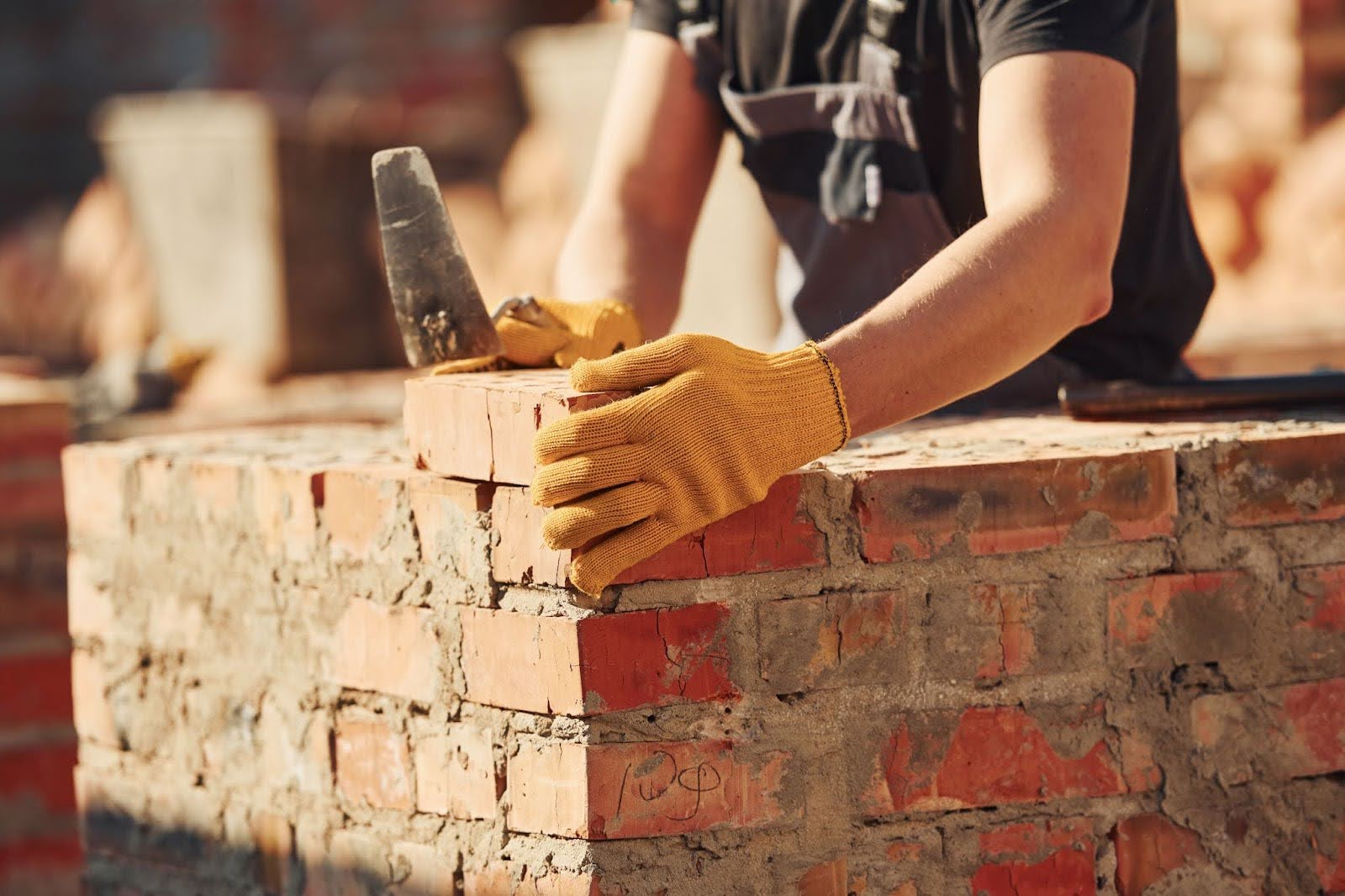
Brick masonry uses fired clay blocks that stay strong in rough climates. These brick units absorb and release heat steadily to maintain comfortable indoor conditions. Many builders rely on brick due to its predictable weight and simple layout. Brick surfaces handle wind, rain, and sun without sudden wear. The material also offers visual warmth, supporting both modern and traditional designs. Many commercial projects choose brick for its dependable lifespan and safe thermal behavior. Skilled masons lay bricks with clean lines to create balanced, durable walls.
Stone Masonry
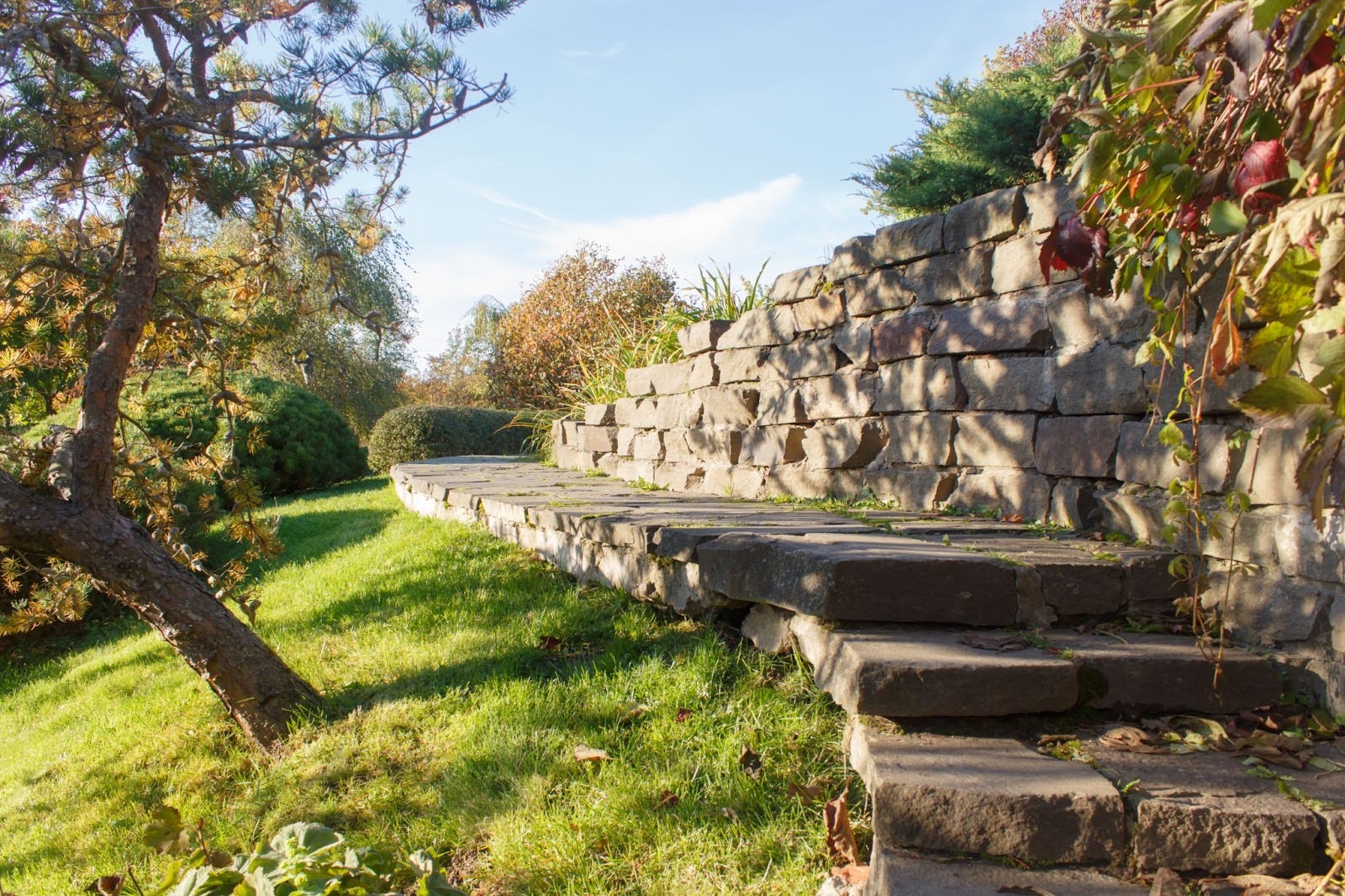
Stone masonry uses natural rock shaped for structural and decorative use. The material comes from quarries where each stone carries its own grain and texture. Many owners trust stone due to its lasting hardness and strong surface integrity. Stone resists long moisture exposure and handles ground pressure well. These qualities make stone a top pick for outdoor walls, luxury homes, and historic builds. Natural color variations give stone a unique visual identity across projects. Skilled masonry teams place each stone with care to maintain strength and design flow.
Concrete Masonry
Concrete masonry uses molded blocks made from cement, sand, and aggregate. These concrete blocks support heavy loads and hold tall buildings in place without shifting. Many commercial properties use concrete because it stays reliable on large sites. Concrete blocks allow efficient installation due to their uniform size. Many owners also use concrete for its strong fire resistance. Its surface accepts coatings and finishes that improve longevity and curb appeal. Concrete masonry is well-suited to significant developments that require fast, controlled construction.
Brick Masonry Benefits
Brick masonry delivers balanced performance with a clean visual character. Many homes use brick to gain steady insulation and long-term strength. Commercial properties choose brick for its cost stability and trusted lifespan. These traits keep brick among the most adaptable masonry materials.
Performance in Daily Use
Brick walls control temperature swings by slowing heat transfer. This material structure makes indoor spaces more consistent across seasons. Brick also limits noise transfer, which helps both busy storefronts and homes. Many owners like how brick resists mildew and fading over time. The surface stands firm in windy climates and remains stable during storms. Maintenance stays simple with basic cleaning and periodic joint repair. Brick remains a steady choice for projects that need beauty and resilience.
Brick Style Options
Brick offers a wide range of colors, shapes, and textures that support a variety of architectural themes. Many designers use brick to build warm facades that feel inviting and stable. Brick pairs well with wood trims, metal accents, and concrete elements. These combinations allow creative layouts that still support structural reliability. Many commercial sites choose brick for polished curb appeal. Modern brick veneers help projects reduce weight without reducing quality. Brick remains a flexible design material for both new builds and upgrades.
Applications for Properties
Brick works well in walls, paths, patios, and exterior cladding. Many homes use brick for fireplaces and other accent features, offering long-lasting charm. Commercial properties use brick storefronts to convey strength and trust. Brick surfaces resist wear in high-traffic zones with little effort. Many municipal buildings choose brick for its fire-resistant properties. Brick veneers are ideal for remodeling projects that require lighter loads. Brick remains a dependable choice for many construction needs.
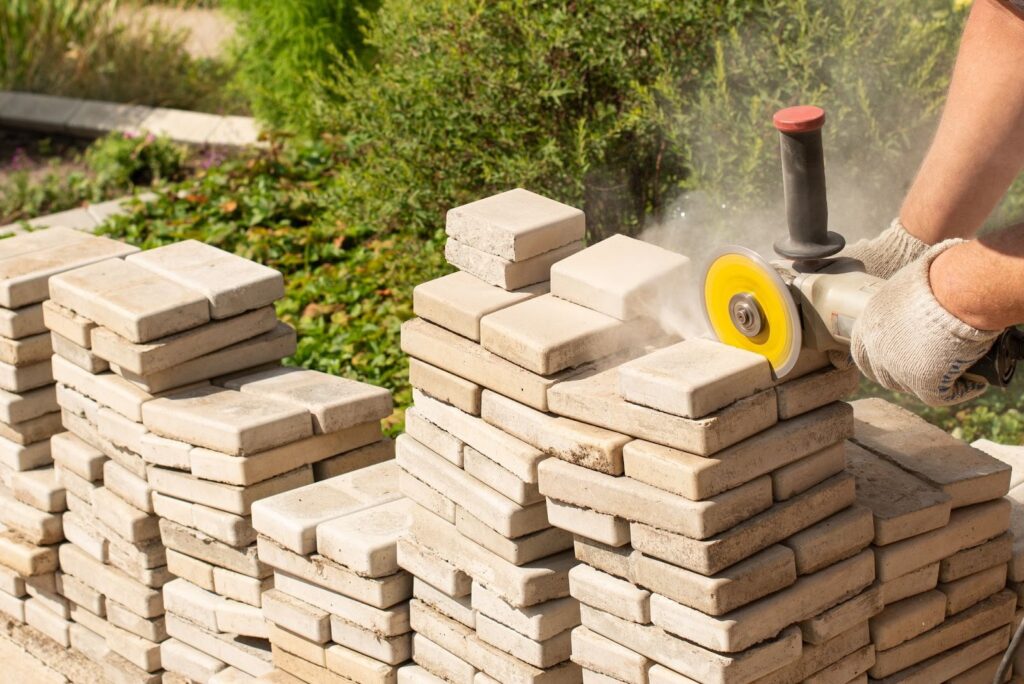
Alt-text: A mason using an angle grinder to cut the paving slabs with precise control
Stone Masonry Strengths
Stone masonry gives structures unmatched durability and visual depth. Many high-value properties rely on stone for a strong curb presence and long service life. The material holds its structure even in rough weather. These natural qualities make stone ideal for both decorative and functional builds.
Durability and Lifespan
Stone remains one of the hardest natural building materials. Many stone structures from past centuries still stand due to this extreme stability. Stone stays resistant to cracking, erosion, and heavy impact. Many outdoor landscapes rely on stone because it handles foot traffic without significant wear. The dense surface blocks pests and mold from spreading. Many owners invest in stone because it rarely needs replacement. Skilled masons position stone carefully to maintain proper load balance.
Design Versatility
Stone comes in granite, limestone, slate, marble, and more, each with its own texture. These stone types offer design options ranging from rustic to refined. Patterns and color shifts add depth that artificial materials cannot match. Many designers use stone to highlight entryways and outdoor spaces. Stone finishes can be rough, honed, or polished for different styles. Many luxury homes choose stone for a bold visual presence. Stone blends with wood, glass, and metal to create strong design harmony.
Uses in Residential and Commercial Work
Stone suits fireplaces, patios, retaining walls, fountains, and exterior walls. Many commercial entryways use stone to create a strong first impression. Landscapes benefit from stone due to its resistance to weather shifts. Stone veneers give lighter options that still look natural. Many homes use stone accents to strengthen visual interest. Public parks often use stone for walkways and seating areas. These uses highlight how stone blends form and function for many project types.
Natural vs. Manufactured Stone
Natural stone offers unique patterns formed by geological processes. Manufactured stone uses concrete molded to mimic natural textures. Natural stone fits premium builds that need deep visual character. Manufactured stone fits tighter budgets while still offering a wide range of styles. Both options work indoors and outdoors. Manufactured stone installs faster due to its lighter weight. Many buyers compare both types to match appearance, cost, and long-term plans.
Concrete Masonry Benefits
Concrete masonry supports large structures that need stable weight distribution. Many builders trust concrete for its predictable performance and simple installation. The material stays durable in extreme environments. These traits give concrete an essential place in commercial and industrial construction.
Strength and Structural Value
Concrete blocks can carry heavy loads that other materials cannot. These concrete units work well in multi-level buildings with large spans. Many public schools and offices use concrete because of its fire resistance. The blocks also reduce noise transfer in busy zones. Their consistent shape speeds construction in tight schedules. Many owners choose concrete for its balanced cost and long lifespan. Reinforcement options increase strength for demanding sites.
Block Styles
Concrete blocks come in smooth, textured, and split-face finishes. Smooth blocks support modern structures with clean lines. Split-face blocks add natural texture that suits outdoor spaces. Many blocks come tinted for stronger design flexibility. Surface sealants strengthen durability in snowy or rainy climates. Colored concrete blocks help commercial buildings stand out with clear branding. These style options support both functional and creative designs.
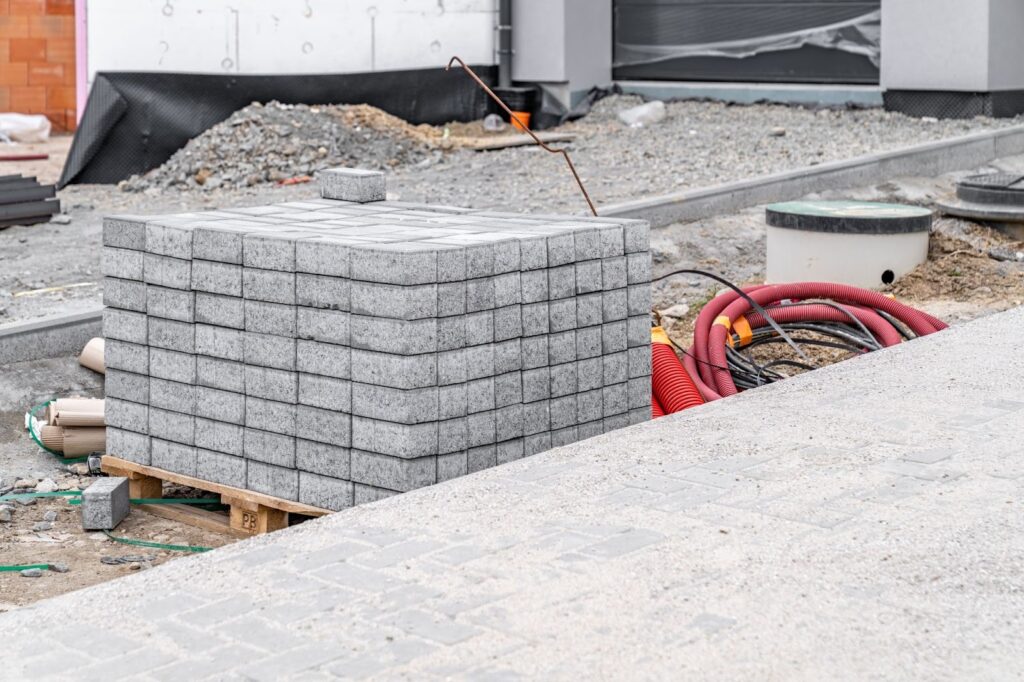
Alt-text: Pile of concrete blocks ready for use in ongoing construction work
Concrete in Large Projects
Concrete blocks build tall walls without losing stability. Many industrial structures choose concrete for dependable structural support. Concrete layouts move fast due to simple stacking and alignment. Developers choose concrete for cost control on multi-phase builds. Concrete supports wide openings and heavy roof loads. Many manufacturing sites use concrete for safety and long-term performance. The material also promotes complex framing systems with reinforced sections.
Concrete in Landscape Design
Concrete blocks are suitable for garden walls, terraces, borders, and raised beds. Many outdoor areas need concrete for soil retention on sloped terrain. Blocks resist water exposure during heavy rain. Concrete pathways stay smooth under constant foot traffic. Many parks use concrete for long-lasting edges and curbs. Decorative finishes help concrete blend with greenery. These features make concrete a reliable landscape material.
Comparing Masonry Options
Each masonry material meets different needs in terms of cost, maintenance, and performance. Brick gives a warm style and steady insulation. Stone offers top-tier durability and natural beauty. Concrete provides reliable strength for large buildings.
Cost and Labor Differences
Brick carries a moderate cost with predictable labor. Stone often costs more due to the time required for cutting and placement. Concrete tends to offer the most controlled pricing. Brick installation needs steady alignment for clean results. Stone requires skilled shaping to achieve a proper fit. Concrete installs faster because of its uniform size. These factors help owners compare total project value.
Maintenance Needs
Brick needs joint repairs and simple washing. The stone needs cleaning, but fewer structural fixes are required. Concrete may need to be sealed in harsh climates. Brick ages with steady color changes that many owners appreciate. Stone maintains its natural look with low upkeep. Concrete remains strong during prolonged exposure to moisture. These maintenance levels guide long-term planning.
Long-Term Performance
Brick handles climate swings with stable comfort. Stone delivers an unmatched lifespan across generations. Concrete supports heavy weight for large structures. Each material reacts differently to impact and moisture. Stone absorbs less water than brick and concrete. Concrete slows heat transfer during fires. Brick balances strength with design warmth for many builds.
Best Materials by Property Type
Homes often choose brick for cost balance and charm. Luxury homes may choose stone for visual depth. Commercial buildings usually need concrete for structural demand. Retail spaces choose brick for inviting exteriors. Parks and plazas combine stone and concrete. Many apartments use brick veneers for lighter loads. Each property type benefits from material traits that fit its function.
How Professionals Guide Smart Masonry Choices
Masonry experts help owners choose materials that match project goals. They review durability needs, design plans, and location factors. Their insight prevents costly changes and delays. These assessments shape projects that stay strong for years.
Assessing Scope and Needs
Experts study load demands, soil conditions, and climate limits. These reviews help prevent expansion issues or water intrusion. Brick, stone, and concrete each react differently to weather. Professionals identify which material suits each environment. They guide owners on energy efficiency and long-term planning. Many large projects depend on this professional insight. This precise evaluation improves structural confidence.
Balancing Style and Budget
Contractors help owners compare design goals with cost. They point out which materials match each aesthetic plan. Stone supports high-end visuals with a strong presence. Brick creates a warm, consistent character. Concrete offers strength for wide and tall structures. Experts help owners avoid budgeting surprises. These reviews support clear and confident choices.
Hiring Skilled Masonry Contractors
A qualified mason brings precision and safe craftsmanship. Masonry projects need accurate cuts, aligned joints, and proper curing time. Many stone projects require advanced shaping techniques. Brick installations need tight spacing and smooth patterns. Concrete blocks need steady stacking and reinforcement. Skilled crews reduce risk during construction. This professional reliability supports strong project results.
Move Forward With Skilled Masonry Support
Brick, stone, and concrete offer strong paths for dependable construction. Owners who want safe structures gain value from expert guidance. Local masonry specialists provide clear advice that protects each investment. Reach out to trusted professionals and build with confidence that supports every long-term goal.
Discover practical insights and real solutions for your next build.
Visit the Metric Paving & Masonry blog for expert guidance that keeps your project moving with clarity.