Your chimney does more than carry smoke outside; it quietly protects your home from fire, gas, and moisture damage. Minor issues, such as creosote buildup or cracks, can become serious risks if left unchecked. Many homeowners don’t realize the danger until repairs become urgent and expensive. Annual inspections aren’t just routine; they’re a brilliant way to keep your home safe, efficient, and stress-free. Regular chimney care isn’t optional; it’s part of responsible homeownership.
What’s Included in a Chimney Inspection?
A chimney inspection checks every accessible part of your venting system to find fire risks, structural issues, and ventilation problems. Professionals follow national guidelines, using visual tools, brushes, and sometimes cameras to look deep into your chimney. Each part of the chimney plays a crucial role in safety, and each is thoroughly reviewed during a comprehensive inspection. These checks help ensure everything works as it should.
The Different Levels of Inspection
Level 1 inspections are the most common and are recommended annually for homes with no significant changes or problems. Level 2 is required when you sell your home, change your heating system, or after damage from storms or earthquakes. This level includes a video scan of the chimney interior. Level 3 inspections are rare and typically occur only when serious problems are suspected; they may involve removing parts of the structure to inspect the interior. Most homeowners need just a Level 1 to stay safe and code-compliant. Your technician will help you determine the right level based on the condition of your home.
What Professionals Look for and Why it Matters
Certified inspectors examine your chimney from top to bottom, including the flue, crown, liner, damper, and firebox. They check for blockages like nests, debris, cracks, moisture, or soot buildup. Using special tools, they also test airflow and scan for structural weakness. A detailed report outlines any issues and provides recommendations for repair or cleaning. These reports are helpful if you’re selling, refinancing, or filing an insurance claim. Having a record of inspections builds a history of responsible upkeep.
Problems That Chimney Inspections Can Uncover
You don’t always see the damage happening inside your chimney. Many problems stay hidden until they cause a draft issue, smoke leak, or structural failure. Regular inspections find these threats before they affect your home. Catching issues early keeps repair costs lower and protects your family.
Liner Damage and Structural Cracks
The chimney liner can contain heat and channel smoke safely out of your home. Over time, liners can crack or wear out due to heat stress or exposure to moisture. When this happens, gases and heat can escape into nearby materials, increasing fire risk. Cracks in mortar or bricks also allow water to enter, which weakens the structure. These problems are easier and cheaper to fix during inspections than after a collapse or fire. Sealing small gaps early makes a significant difference.
Blockages From Debris or Animals
Leaves, twigs, and animal nests are common causes of chimney blockages, particularly during the fall and winter. These obstructions reduce airflow, cause smoke to back up, and increase the risk of carbon monoxide exposure. A blocked chimney also forces your fireplace to work harder, reducing its heat output and increasing the buildup of creosote. Most of these problems aren’t visible from the fireplace opening. Inspections use cameras or long brushes to clear out hidden blockages. Removing them restores proper draft and keeps your home’s air clean.
Moisture Damage and Brick Deterioration
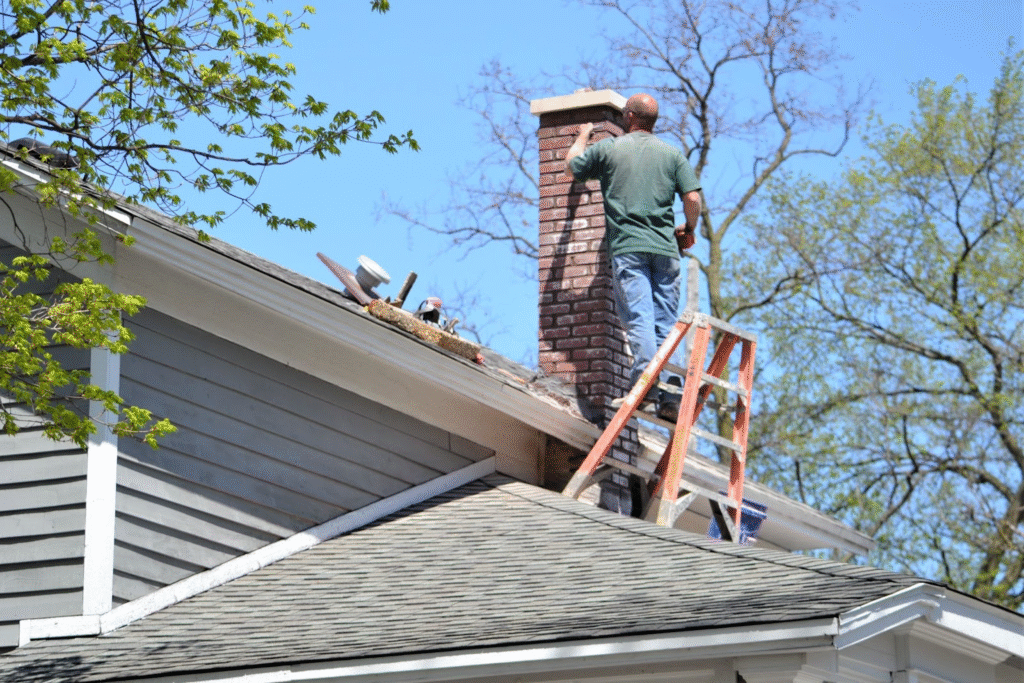
Moisture that enters your chimney can freeze and thaw, causing cracks in bricks and loosening mortar. Over time, this damages the chimney’s structure, allowing even more water to accumulate inside. Common signs include white stains (efflorescence), musty smells, or brick flakes near the base. Inspections reveal leaks, damaged flashing, or missing chimney caps that allow rain to enter. Addressing these issues protects both the interior and exterior of your home. Keeping water out is just as important as keeping fire in.
Why Annual Chimney Inspections Matter
A chimney inspection checks for hidden threats like creosote, cracks, or airflow blockages. These issues may not exhibit obvious symptoms but can lead to fires or carbon monoxide exposure. Homeowners who rely on fireplaces or wood stoves should never skip this step. A simple inspection gives peace of mind that everything’s working safely.
Annual Chimney Inspection Keeps Your Home Safe
A chimney inspection checks for hidden threats like creosote, cracks, or airflow blockages. These issues don’t show obvious symptoms but can lead to fires or carbon monoxide exposure. Homeowners who rely on fireplaces or wood stoves should never skip this step. A simple inspection gives peace of mind that everything’s working safely.
Creosote Buildup is a Fire Waiting to Happen
Burning wood produces smoke that sticks to chimney walls and forms creosote, a dark, tar-like substance. Over time, this buildup becomes thicker and more hazardous, easily igniting from a stray spark. Chimney fires spread fast and often go undetected until severe damage is done. Even gas appliances can produce residue over time. Annual inspections reveal and remove creosote before it becomes a threat. Technicians also advise on how to reduce buildup for future use.
Inspections Help You Stay Code-Compliant
Building codes recommend annual chimney inspections, especially if you frequently use your fireplace. That isn’t just a safety tip but a requirement everywhere. Insurance claims may be more complex if something goes wrong and you haven’t had an inspection. Inspectors check for blockages, gas leaks, or missing caps that could violate code. Documenting a clean chimney also helps during home sales or renovations. It shows that your home systems are adequately maintained.
Chimney Inspections Protect Your Home’s Value
A damaged chimney can lead to expensive repairs that hurt your budget and home value. Problems that start small often spread into walls, ceilings, or attics. Annual inspections catch issues before they turn into costly surprises. That kind of upkeep shows care and helps keep your home in top condition.
Small Issues Can Grow Into Costly Repairs
Cracks in your chimney liner might not seem urgent initially, but they allow moisture and gases to escape into surrounding structures. That can cause damage to nearby wood, compromise insulation, or lead to mold growth. Bricks and mortar can weaken, leading to crumbling or collapse. Fixing this damage often means tearing into walls or replacing major sections. Inspections help identify early warning signs, allowing you to handle repairs while they’re still simple. It’s always less expensive to maintain than to rebuild.

A Well-Maintained Chimney Adds Resale Appeal
Buyers want to know that a home is safe and sound, including systems they might never think to check. A clean chimney report shows responsible ownership and helps your listing stand out. Red flags like cracked flue tiles or missing caps during inspections can hold up a sale or reduce your asking price. Providing proof of annual maintenance makes it easier to negotiate and close confidently. Even if you’re not selling now, taking care of your chimney helps avoid deal-breaking repairs later. It’s a smart move that supports your home’s long-term value.
What Happens If You Skip a Chimney Inspection
Skipping your yearly inspection can lead to dangerous fires, insurance claim issues, and rising energy bills. It’s not just about catching problems but about keeping your home efficient, safe, and livable. A missed inspection may not cause trouble today, but it will eventually catch up. Prevention is always easier than recovery.
Insurance May Not Cover Damage Without Records
If a fire or chimney collapse happens and there’s no record of recent maintenance, your home insurance company could deny the claim. Many policies require proof of upkeep, especially for systems involving heat or fire. Inspectors provide the necessary documentation to ensure your protection. Without it, damage could be labeled as “preventable,” meaning you would be responsible for paying for the repairs. Yearly inspections offer peace of mind for both you and your insurer. Keeping a record could save you thousands in the long run.
Poor Draft and Efficiency Loss Increase Energy Use
When your chimney isn’t drafting properly, your fireplace burns more fuel for less heat. Blockages, liner issues, or airflow restrictions make heating less efficient and costlier. A poorly drafted document can also draw smoke and soot into your living space. Inspections detect these problems before they affect your comfort. Addressing minor ventilation issues often leads to significant energy savings. Your home stays warmer without wasting fuel.
Hiring the Right Chimney Inspection Service
Not all chimney services deliver the same level of safety and reliability. Choose a certified professional for your home, preferably with Chimney Safety Institute of America (CSIA) credentials, who specializes in residential systems. They should provide clear reports, carry proper insurance, and take time to explain their findings. Skip the bargain offers; quality inspection may cost more upfront, but it protects your home from costly mistakes down the line. A trustworthy chimney inspector doesn’t just check boxes; they help you prevent the problems you can’t see.
Schedule Your Chimney Inspection Before Risks Spread
Problems inside a chimney don’t wait for permission to grow; they build quietly until the damage forces your attention. If you rely on your fireplace for warmth or comfort, ignoring its condition puts your safety, finances, and peace of mind at risk. A professional inspection is a smart habit that keeps minor problems from becoming emergencies. Your home deserves that kind of care every single year.
Good homes are built on wise choices. Visit the Metric Paving & Masonry blog for practical insights that keep your property strong and safe.